Off-Plan Handover in Dubai: When Design Work Should Actually Start
Off-Plan Handover in Dubai: When Design Work Should Actually Start
An off-plan buyer in Dubai receives a handover notice roughly 30 to 60 days before keys are issued. Buyers who begin design work at that notice have already lost the window in which the cheapest and least disruptive changes are possible. The useful design window opens 6 to 9 months before handover and closes when snagging begins.
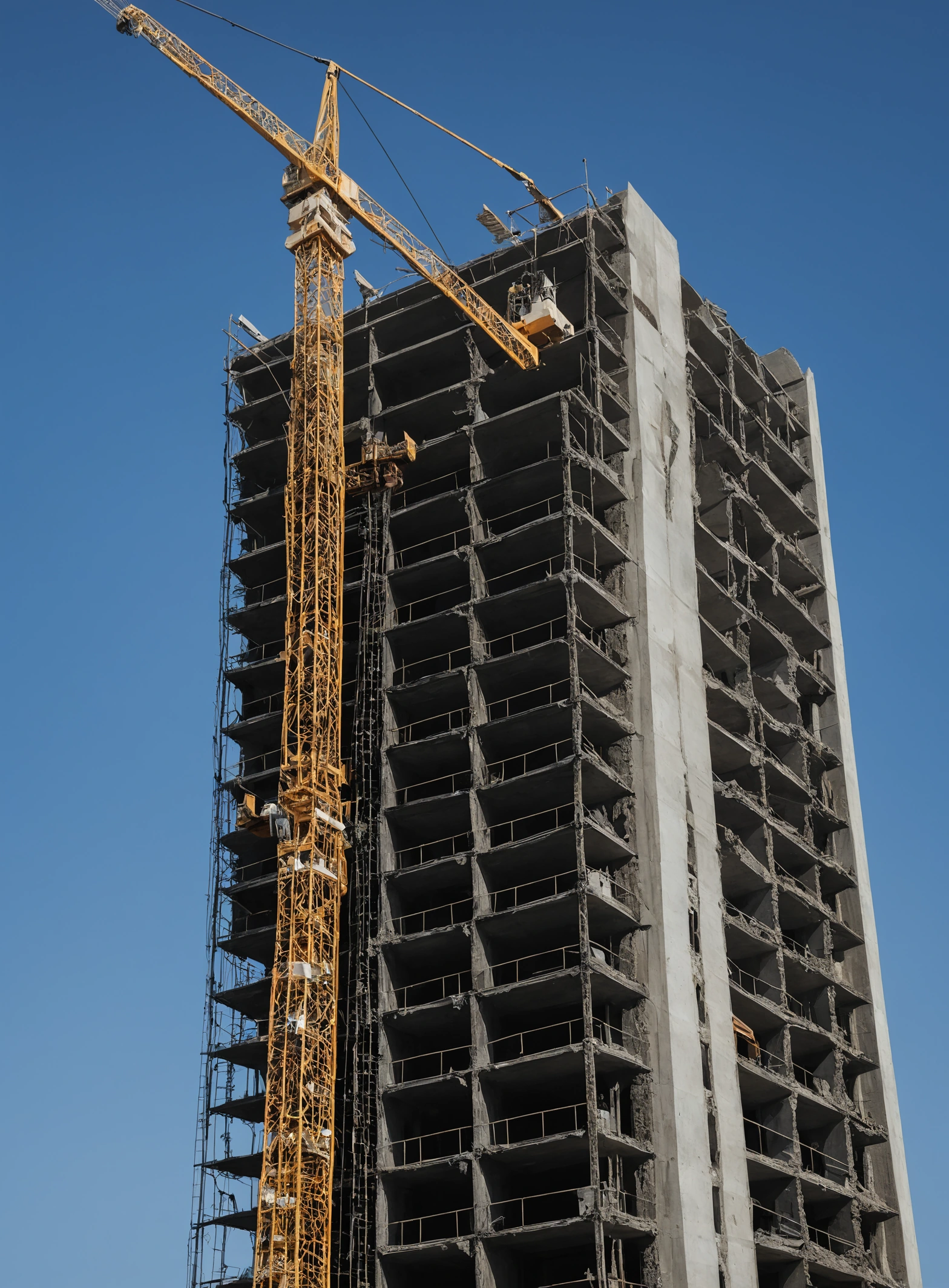
Dubai’s off-plan market sets the scale of the problem
Dubai property transactions reached AED 252 billion in the first quarter of 2026, a 31 percent rise against the same quarter a year earlier, according to the Dubai Land Department. Across the full year of 2024 the same authority logged 226,000 transactions worth AED 761 billion, alongside 110,000 new investors entering the market.
A market of that size delivers tens of thousands of units to buyers who have never seen the finished space. Each buyer receives a standard developer specification chosen for an average purchaser, and each buyer then decides how much of that specification to keep.
What can still be changed at each stage before handover
The cost of a change rises sharply as construction progresses, and the categories of possible change narrow at defined moments. A buyer who understands the sequence can intervene at the cheapest available point rather than the most obvious one.
| Stage | Still possible | Already fixed | Relative cost of change |
|---|---|---|---|
| 12 months before handover | Developer variation requests, finish upgrades, some layout changes within the unit | Structure, facade, riser positions | Lowest |
| 6 to 9 months before | Design documentation, furniture specification, long-lead orders placed | Most developer variations closed | Low |
| 1 to 3 months before | Procurement, delivery scheduling, window treatment measurement | Floor finishes, joinery, sanitaryware | Moderate |
| After handover | Any change, subject to Dubai Municipality approval and building rules | Nothing, but everything now involves demolition | Highest |
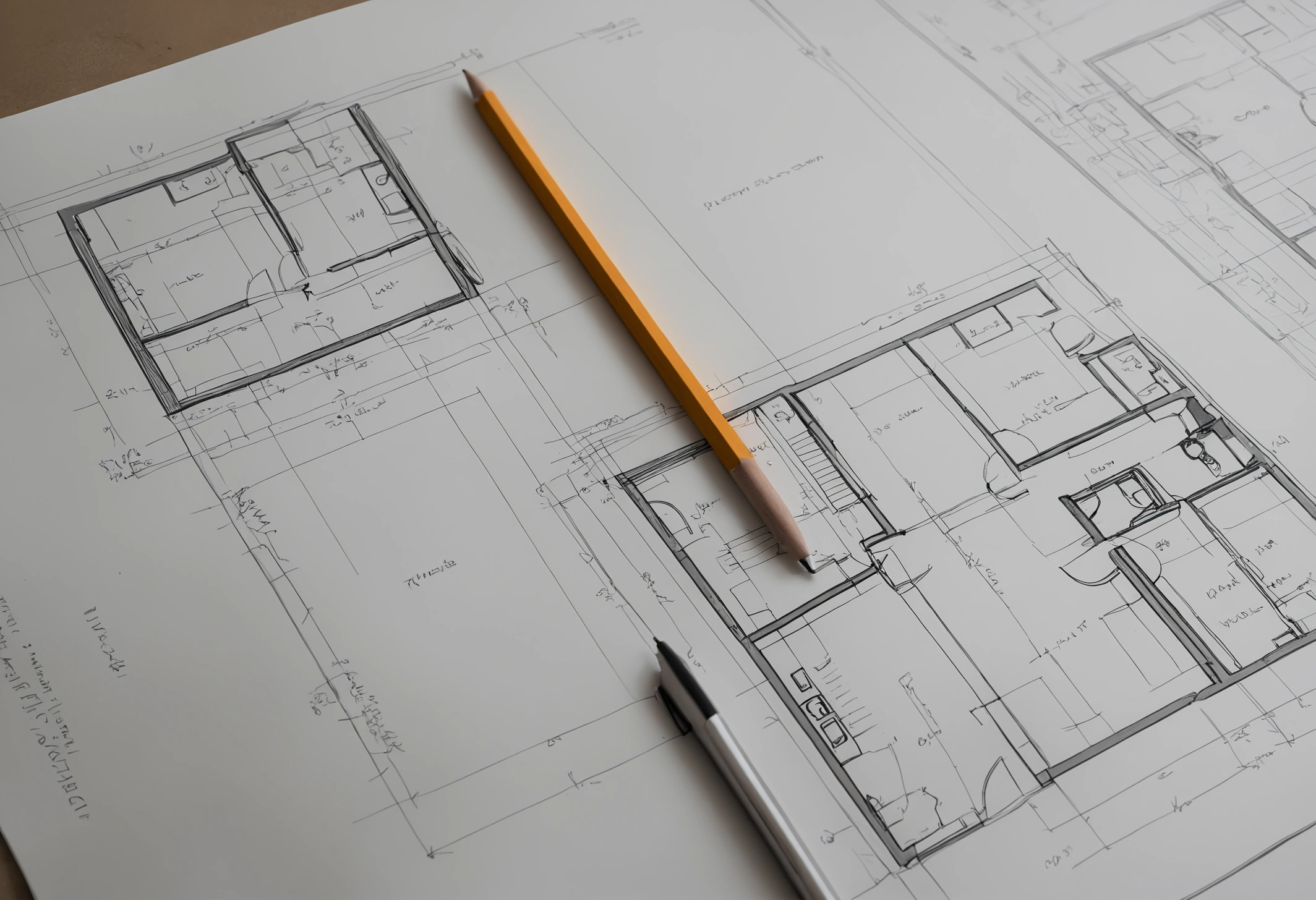
The single most valuable pre-handover activity costs nothing: obtaining the approved unit drawings from the developer, including the electrical layout and the mechanical drawings. Those drawings allow furniture planning against real dimensions rather than against a marketing floor plan, and marketing plans routinely omit structural downstands, riser boxes and the swing of a service door.
Why long-lead furniture orders belong 6 months before keys
Imported upholstery and bespoke joinery require 12 to 20 weeks between order confirmation and arrival in Dubai. A buyer who places orders on handover day therefore lives in an unfurnished apartment for three to five months, and usually fills the gap with temporary purchases that are later discarded.
Placing orders 6 months before handover carries one risk, which is a delayed completion date. Managing that risk is a matter of contract terms rather than timing:
- Storage clause. Agree free or fixed-rate storage with the supplier covering 60 to 90 days beyond the scheduled delivery, since developer handover dates move.
- Staged delivery. Split the order so that case goods and dining pieces arrive first and upholstery arrives after the unit is clean and the lifts are released.
- Deposit structure. Prefer a deposit against production and a balance against delivery, rather than full payment on order.
- Measurement hold. Confirm final dimensions of fitted elements only after a physical site survey, not from developer drawings alone.
Snagging is a measurement exercise, not an opinion
Snagging inspection at handover records defects against a standard, and a defect list written in adjectives fails at the point of dispute. A snag recorded as “uneven floor” carries no weight. A snag recorded as “3 mm deviation under a 2 metre straightedge at grid position C4” is actionable.
Six checks account for most substantiated snags in Dubai apartment handovers:
- Floor level deviation measured with a 2 metre straightedge across every room.
- Door leaf alignment checked for consistent margin at head and jamb, typically 3 mm.
- Water pressure and drainage fall tested at every outlet, with the basin and shower filled and released.
- Air conditioning delivery measured at each diffuser rather than judged by feel.
- Electrical circuit testing at every socket and switch, including the balcony and kitchen circuits.
- Glazing and seal condition inspected for scratches, failed gaskets and condensation between panes.
A defect described with a number gets fixed. A defect described with an adjective gets discussed.

Developer specification against replacement: where the money actually goes
Developer specifications in Dubai concentrate cost in visible surfaces and economise on the elements a buyer notices later. Replacing the wrong items wastes money on work that will be demolished, while leaving the right items in place preserves budget for pieces that carry daily use.
| Element | Usual developer standard | Replace early, later, or keep |
|---|---|---|
| Floor tiling | Large-format porcelain, competent | Keep unless the tone conflicts with the whole scheme |
| Kitchen carcass and fronts | Melamine or foil-wrapped fronts on chipboard carcass | Replace early, before occupation |
| Wardrobes | Sliding doors, shallow hanging depth | Replace early; internal layout drives daily use |
| Sanitaryware | Mid-range, functional | Keep initially, replace at a later refurbishment |
| Lighting | Uniform downlights on a single circuit | Replace early; rewiring after occupation means ceiling work |
| Internal doors | Hollow-core with basic ironmongery | Keep, upgrade ironmongery only |
Lighting deserves particular attention before occupation because a change of lighting layout means opening ceilings. A single uniform circuit of downlights is the most common developer arrangement in Dubai apartments, and splitting that arrangement into layered circuits with dimming is straightforward before a family moves in and close to disruptive afterwards.
Who holds the programme when several parties are involved
An off-plan handover involves a developer, a snagging contractor, a fit-out contractor, a furniture supplier and often a designer. Each party holds a different date, and no party holds the buyer’s date unless someone is contracted to do so.
Consolidating design, procurement and installation removes the coordination gap. Studios providing interior design in Dubai as a single scope hold the programme themselves, which means the furniture delivery date is planned against the fit-out completion date rather than negotiated after both have been fixed independently.
Procurement timing benefits equally. A showroom holding stock of Italian furniture in Dubai can cover the gap between handover and the arrival of production pieces, which removes the temporary purchases that off-plan buyers otherwise make and then discard.

The realistic pre-handover calendar
Working backwards from a scheduled handover date produces a calendar that most off-plan buyers can follow without specialist knowledge. Month nine collects drawings and confirms the developer variation deadline. Month six completes layout and specification and releases long-lead orders. Month three arranges access, delivery slots and building permissions. Month one books an instrumented snagging inspection. Handover month completes defect correction before furniture arrives.
Buyers who compress that calendar into the final four weeks pay for the compression in temporary furniture, rushed decisions and ceiling work that could have been avoided. The building takes years to complete, and the last nine months of that period are the buyer’s to use.